

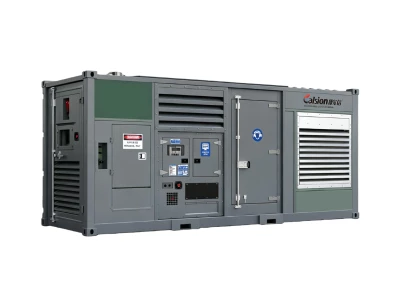
Containerized Generators for Data Centers: Modular Power & Rapid Deployment
Release time: 2026-11-10
With the rapid growth of cloud computing, artificial intelligence, and high-performance computing, data centers are facing increasingly demanding requirements for power continuity, reliability, and scalability. A stable utility power supply is essential for daily operations, but a reliable backup power system is equally important to protect critical infrastructure against grid failures, voltage fluctuations, and unexpected power outages.
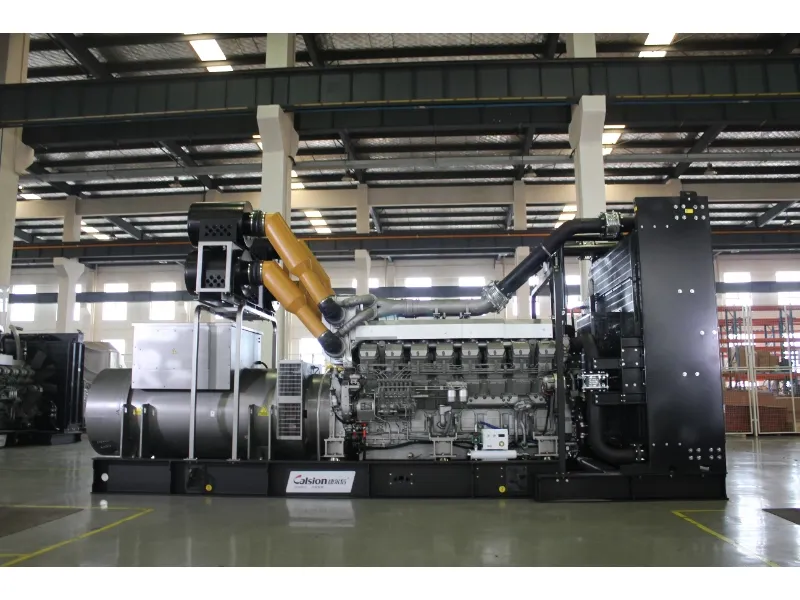
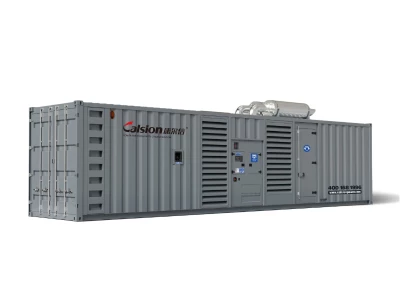
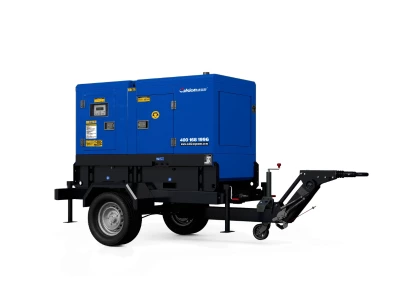
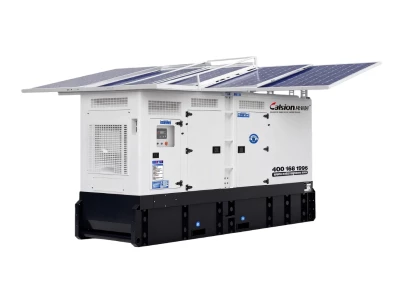
A containerized diesel generator set integrates the generator, auxiliary systems, and protective enclosure into a standardized or customized container structure. Offering modular deployment, convenient transportation, and flexible capacity expansion, containerized generators are widely suited to large-scale data centers, edge data centers, and temporary data center projects.
Table of Contents
What Is a Containerized Generator for Data Centers?
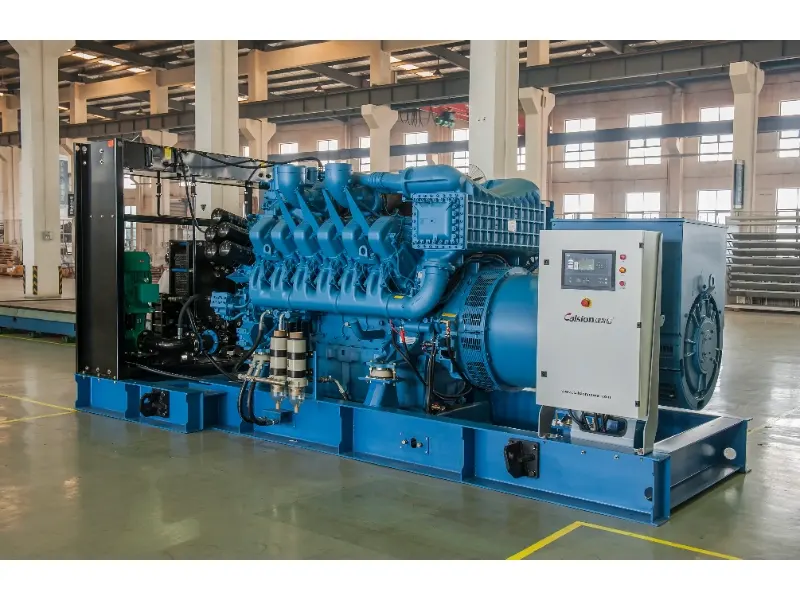
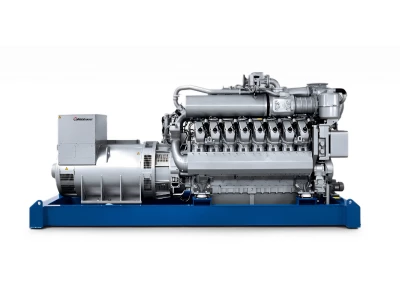
A containerized generator for data centers is a power generation solution that integrates a diesel engine, alternator, control system, fuel system, cooling system, ventilation system, and associated auxiliary equipment within a containerized enclosure.
Compared with traditional open-type generator sets, containerized generators provide more comprehensive environmental protection, noise control, and system integration capabilities. Depending on project requirements, they can also be equipped with silencers, radiators, automatic control panels, fuel day tanks, fire protection interfaces, and remote monitoring systems.
For data center projects, the container is more than just an equipment enclosure. It is an integral part of the standby power system design. Installation space, ventilation, heat dissipation, maintenance access, fuel storage, and electrical connections must all be considered during the planning stage.
Why Do Data Centers Need Modular Backup Power Systems?
Data centers typically adopt a multi-layer power supply architecture. Utility power, UPS systems, backup generators, and power distribution equipment work together to maintain continuous power to critical IT loads.
When utility power is interrupted, the UPS system typically maintains power to critical loads for a short period, allowing sufficient time for the backup generator to start, stabilize, and prepare for load transfer. Once the generator reaches the required electrical operating conditions, it can take over the designated loads through an automatic transfer system or a paralleling system.
The modular advantages of containerized generators include three key aspects:
Phased Deployment: Data centers can install generator units in stages according to construction progress and IT load growth, reducing the need for large initial equipment investments.
Flexible Capacity Expansion: Multiple generator sets can operate in parallel, allowing units can be brought online or taken offline as load changes.
Faster Project Delivery: Pre-integrated generator modules can reduce on-site installation and system integration work. However, foundation construction, electrical connections, commissioning, and acceptance testing are still required.
This deployment approach is particularly suitable for data centers that require rapid commissioning, continuous expansion, or phased construction.
What Are the Key Configurations of a Containerized Generator for Data Centers?
When selecting a backup generator for a data center, buyers should evaluate the complete power generation system rather than focusing solely on engine output.
| Key Component | Main Function | Selection Considerations |
| Diesel Engine | Provides mechanical power | Rated power, load response, fuel consumption |
| Alternator | Generates electrical power | Voltage, frequency, efficiency, short-circuit capability |
| Paralleling Control System | Coordinates multiple generator sets | Load sharing, synchronization, redundancy design |
| Cooling and Ventilation System | Controls operating temperature | Ambient temperature, heat dissipation, airflow paths |
| Fuel System | Supports continuous operation | Day tank, fuel storage capacity, fuel supply reliability |
| Noise Reduction and Protection System | Reduces noise and protects equipment | Noise limits, weather protection, corrosion resistance |
| Remote Monitoring System | Monitors operating conditions | Fault alarms, operating data, remote communication |
In addition, data center projects must consider compatibility between the generator and UPS system. UPS rectifier characteristics, harmonic distortion, voltage and frequency acceptance ranges, and generator transient response can all affect the stability of the backup power system.
How Can Containerized Generators Support Rapid Deployment?
Rapid deployment does not simply mean delivering a generator to the site and putting it into operation immediately. Proper load assessment, equipment configuration, and infrastructure planning must be completed before installation.
First, the number and capacity of diesel generator sets should be determined based on critical data center loads, future expansion plans, and the required redundancy architecture.
Next, project planners should arrange the container foundations, transportation and lifting access, air intake and exhaust spaces, exhaust routing, fuel pipelines, and electrical cable connections in advance.
Finally, on-site commissioning should verify automatic starting, load transfer, parallel operation, protection functions, and fault alarms.
For data centers using N+1 or other redundancy architectures, it is also necessary to verify whether the remaining generator sets can support the required design load when one unit is unavailable. The final configuration should always follow the project’s power system design and reliability objectives.
What Factors Should Buyers Consider When Selecting a Containerized Generator for a Data Center?
Before purchasing a containerized generator, buyers should confirm the following technical requirements:
Total Load Demand: Identify the actual power requirements of IT equipment, cooling systems, lighting, and other critical auxiliary loads.
Generator Power Rating: Distinguish between kW and kVA, and calculate the required generator capacity based on power factor, rated operating conditions, and the intended backup power application.
Load Variations: Evaluate the starting characteristics and step-load requirements of UPS rectifiers, cooling equipment, and other large electrical loads.
Redundancy Architecture: Determine the number of generator sets and the required paralleling configuration according to the N, N+1, or 2N design.
Environmental Conditions: Consider installation-site altitude, ambient temperature, humidity, dust, and corrosive conditions.
Continuous Operating Capability: Confirm the standby and prime power ratings, fuel consumption, and required fuel reserve duration.
Maintenance and Expansion: Evaluate maintenance access, spare parts availability, remote monitoring, and future capacity expansion requirements.
Calsion’s Recommendations for Selecting Containerized Generators for Data Centers
For data center projects, generator selection should be based on the complete backup power system rather than simply matching the generator capacity to the total installed data center capacity.
Calsion recommends that buyers first provide a critical load list, UPS capacity and input characteristics, target redundancy level, project-site environmental conditions, and expected backup operating duration. These details help determine the appropriate containerized diesel generator power rating and system configuration.
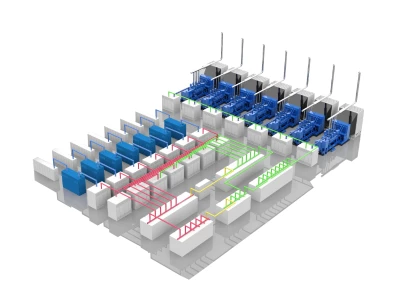
For medium-sized and large-scale data centers, buyers can consider multiple generator sets operating in parallel to support load sharing, phased capacity expansion, and redundancy requirements. For edge data centers or independent server facilities, generator capacity and container configuration can be selected according to actual load demand and available installation space.
During the configuration process, Calsion can provide customized solutions based on requirements for engine and alternator matching, paralleling control, cooling and ventilation, fuel systems, noise reduction, weather protection, and remote monitoring.
Through detailed parameter confirmation and system planning, Calsion helps data center projects establish reliable, scalable, and maintenance-friendly backup power systems.
If you are planning a backup power project for a data center, contact Calsion with your power requirements, installation conditions, and power supply architecture to receive containerized diesel generator selection recommendations tailored to your project.