

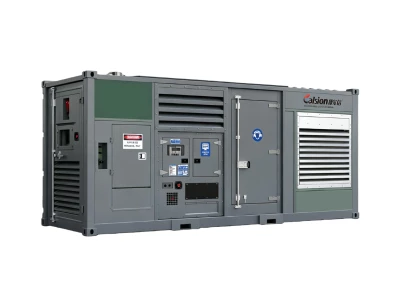
What Factors Affect Diesel Generator Fuel Consumption?
Release time: 2026-10-30
Diesel generator fuel consumption is an important factor for businesses evaluating long-term operating costs and power supply efficiency. However, the amount of fuel a generator uses is not determined by its rated power alone. Factors such as load percentage, engine performance, ambient conditions, fuel quality, and maintenance practices can all influence actual consumption. For industrial facilities, construction projects, and commercial operations, understanding these factors helps buyers estimate fuel expenses more accurately and select a generator that matches their operating requirements. This article explores the key factors affecting diesel generator fuel consumption and explains how to evaluate fuel efficiency when choosing a suitable diesel generator set.
Table of Contents
1. How Does Generator Load Percentage Affect Fuel Consumption?
Generator load percentage is one of the most important factors affecting fuel consumption. Generally, a diesel generator consumes more fuel per hour as its electrical output increases. However, fuel consumption does not increase in direct proportion to the load.
For example, a generator operating at 75% load typically consumes more fuel per hour than it does at 50% load. As the electrical load increases, a diesel generator generally consumes more fuel per hour. However, its specific fuel consumption (measured in liters per kilowatt-hour) may decrease as the engine operates closer to its more efficient load range. The actual relationship varies by engine model and operating conditions, so buyers should compare manufacturer-provided fuel consumption data at different load levels.
Long-term operation at very low loads should also be avoided unless permitted by the engine manufacturer’s recommendations. Extended light-load operation can contribute to incomplete combustion and wet stacking in certain diesel engines.
When comparing generator models, buyers should request fuel consumption data at different load levels, such as 25%, 50%, 75%, and 100%.
2. How Do Engine Performance and Configuration Influence Fuel Efficiency?
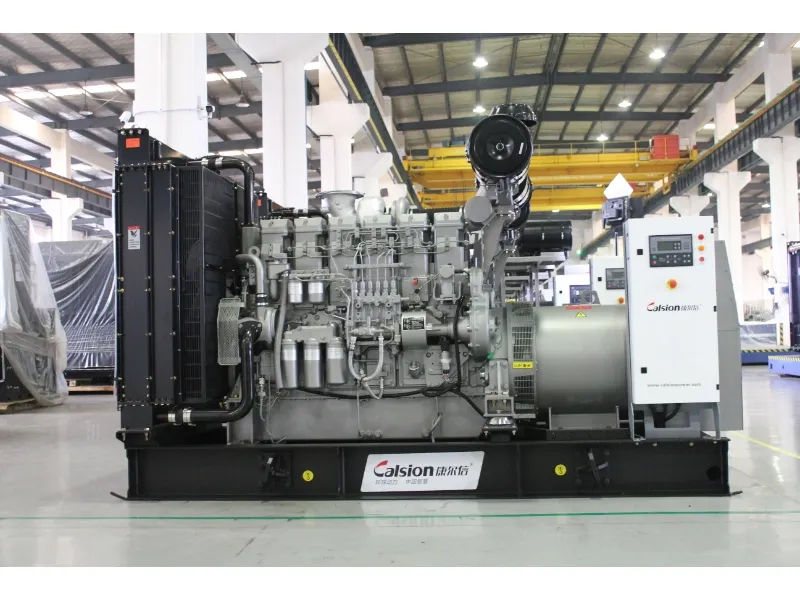
The engine is the primary power source of a diesel generator, and its technical configuration directly affects fuel efficiency.
Factors such as engine displacement, fuel injection technology, combustion design, rated speed, and cooling system performance can influence how efficiently diesel fuel is converted into mechanical energy.
Different engine brands and models may also demonstrate different fuel consumption characteristics under similar operating conditions.
When evaluating a heavy duty diesel generator, buyers should check the engine manufacturer, model number, rated output, fuel injection system, and manufacturer-provided fuel consumption specifications.
It is also important to consider the matching between the engine and alternator. Proper configuration helps the generator deliver the required electrical output while maintaining stable operating performance.
3. Do Ambient Temperature and Altitude Affect Diesel Generator Fuel Consumption?
Environmental conditions can influence engine performance and the actual fuel consumption of a diesel generator.
At high altitudes, reduced air density means less oxygen is available for combustion. This can reduce the engine’s available power output and may require generator derating to maintain reliable operation.
High ambient temperatures can also affect cooling efficiency and engine operating conditions. In hot or poorly ventilated environments, the cooling system may face additional demands.
For projects in mining areas, remote industrial facilities, and tropical regions, buyers should provide the expected altitude, ambient temperature, humidity, and installation conditions when requesting a quotation.
These details help manufacturers evaluate whether standard configurations are sufficient or whether additional cooling and environmental adaptations are required.
4. How Does Fuel Quality Affect Generator Fuel Consumption?
Diesel fuel quality has a direct influence on combustion performance and engine reliability.
Fuel containing excessive water, dirt, or other contaminants can cause fuel filter blockage, injector wear, and unstable combustion. These problems may lead to reduced engine efficiency, increased maintenance requirements, and unexpected downtime.
Long-term fuel storage also requires proper management. Water accumulation, microbial contamination, and fuel degradation can affect fuel system performance.
Buyers should verify that the selected diesel fuel meets the engine manufacturer’s specifications and ensure that suitable fuel filtration and storage procedures are in place.
For generators operating in remote locations, reliable fuel supply and appropriate fuel management are particularly important.
5. Can Poor Maintenance Increase Diesel Generator Fuel Consumption?
Regular maintenance is essential for maintaining fuel efficiency and reliable generator operation.
A clogged air filter can restrict airflow, while dirty fuel filters and worn injectors may affect the combustion process. Problems with the cooling system, lubrication, or exhaust system can also reduce overall engine performance.
To maintain efficient operation, buyers and operators should follow the manufacturer’s maintenance schedule, including:
Inspecting and replacing air and fuel filters when required.
Checking engine oil condition and lubrication levels.
Inspecting fuel lines, injectors, and connections.
Maintaining the cooling system and radiator.
Monitoring engine temperature, speed, and operating load.
A well-maintained generator is more likely to maintain its designed performance and avoid unnecessary fuel consumption caused by equipment deterioration.
6. How Can Buyers Estimate Diesel Generator Fuel Costs?
Before purchasing a diesel generator, buyers should evaluate expected fuel consumption based on the actual operating load and anticipated running hours.
A simple fuel cost estimation formula is:
Estimated Fuel Cost = Hourly Fuel Consumption × Operating Hours × Diesel Price per Liter
For example, if a generator consumes 20 liters per hour, operates for 8 hours per day, and diesel costs USD 1.00 per liter, the estimated daily fuel expense is USD 160.
However, this is only a preliminary estimate. Actual fuel costs depend on load variations, operating conditions, fuel prices, and maintenance status.
When comparing quotations from different manufacturers, buyers should request fuel consumption figures at multiple load levels rather than relying on a single full-load value. This provides a more realistic basis for evaluating operating costs and long-term investment.
Understanding the factors that affect diesel generator fuel consumption helps buyers make more informed decisions about equipment selection and long-term operating costs. Load conditions, engine configuration, installation environment, fuel quality, and regular maintenance should all be considered when evaluating a generator’s actual fuel efficiency. Rather than comparing equipment based only on rated power, buyers should request fuel consumption data at different load levels and assess performance under their expected operating conditions. Calsion Energy provides diesel generator solutions for industrial and commercial applications. By discussing project power requirements, operating hours, and site conditions with the supplier, buyers can identify a suitable configuration and better manage fuel costs throughout the generator’s service life.