







What Key Technical Parameters Should Be Considered When Designing a Custom Diesel Generator Solution?
Release time: 2026-09-03
Table of Contents
Customizing a diesel generator is not simply about selecting a larger unit based on the project’s power consumption. Different application scenarios vary significantly in terms of load type, starting current, voltage frequency, operating mode, and installation environment. These factors directly affect the generator’s actual operating performance. Especially for data centers, industrial facilities, commercial buildings, and remote projects, incorrect parameter configuration can lead to voltage fluctuations, insufficient capacity, or increased fuel consumption. Therefore, when designing a diesel generator solution, it is necessary to systematically evaluate key technical parameters based on actual operating conditions.
1. What Generator Power Rating Does the Project Actually Require?
Rated power is one of the key starting points of generator selection, but final sizing should also consider load characteristics, motor starting requirements, transient loads, derating factors, the applicable rating class, and redundancy requirements.
The first step is to identify the total electrical load that the generator needs to supply. Depending on the application, capacity may be expressed in kW or kVA.
However, simply adding the rated power of all connected equipment is not sufficient. Engineers should consider:
- Total running load
- Maximum demand load
- Future load expansion
- Power factor
- Motor starting current
- Peak and transient loads
- Load diversity
For example, pumps, compressors, air-conditioning systems and other motors may require significantly more power during startup than during normal operation. Cummins notes that peak loads and motor starting requirements can substantially influence generator sizing, while power factor also affects alternator selection.
Therefore, a properly engineered solution should evaluate both steady-state load and transient load rather than selecting a generator solely according to average power consumption.
2. How Should Voltage, Frequency and Phase Be Specified?
Voltage and frequency must match the electrical infrastructure and connected equipment.
Common specifications include:
- Voltage: 208 V, 220 V, 380 V, 400 V, 415 V, 440 V, 480 V, etc.
- Frequency: 50 Hz or 60 Hz
- Phase: Single-phase or three-phase
For international projects, these parameters are particularly important because electrical standards vary between countries and regions.
A three-phase generator is commonly selected for industrial applications because it can support large motors and distributed industrial loads. Single-phase loads can also be supplied from a three-phase system, but the loads should be properly balanced between phases.
Incorrect voltage or frequency specifications may result in equipment malfunction, overheating or unstable operation. Therefore, these parameters should be confirmed before the generator configuration is finalized.
3. Does the Application Require Standby, Prime or Continuous Power?
The duty rating of a diesel generator determines how it is expected to operate.
Standby Power
Standby generators are typically used as emergency backup power when the utility supply fails. Typical applications include:
- Hospitals
- Commercial buildings
- Data centers
- Hotels
- Industrial facilities
- Prime Power
Prime power generators are designed for applications where the generator operates as the primary source of electricity, often with variable loads and extended operating hours.
They are commonly used in:
- Construction sites
- Mining operations
- Remote industrial facilities
- Temporary power projects
- Continuous Power
Continuous-duty applications require the generator to operate for extended periods under the operating conditions specified by the applicable generator and engine rating standards. The exact rating definition and allowable load profile should be confirmed with the manufacturer and project requirements.
Selecting the correct duty rating is critical because standby, prime and continuous applications have different operating requirements and rating definitions.
4. How Do Altitude and Ambient Temperature Affect Generator Performance?
Installation conditions can significantly influence actual generator output.
At higher elevations, air density decreases, reducing the amount of oxygen available for combustion. High ambient temperatures can also reduce engine and cooling-system performance. As a result, a generator rated for a specific output under standard conditions may provide less available power at a high-altitude or high-temperature site.
For customized projects, engineers should therefore provide:
Site altitude + Minimum/maximum ambient temperature + Humidity + Installation environment
For example, a generator designed for a low-altitude industrial plant may require a different configuration when installed in a high-altitude mining project.
This is why site derating should be considered before determining the final generator capacity rather than after equipment selection.
5. What Type of Load Will the Generator Supply?
- Different loads place different demands on a generator.
- Resistive Loads
- Heating equipment and conventional lighting generally have relatively predictable load characteristics.
- Motor Loads
Motors can produce significant starting current and voltage dips. Large pumps, compressors and fans may therefore require additional generator capacity.
Nonlinear Loads
UPS systems, variable frequency drives, rectifiers and other electronic equipment can introduce harmonic currents and affect alternator performance. In some applications, the alternator may need to be oversized to manage nonlinear loads and voltage distortion.
For this reason, a detailed load schedule should be prepared before the generator is customized.
6. What Cooling and Ventilation System Is Required?
A diesel generator converts fuel energy into mechanical and electrical energy while producing substantial heat. The cooling system must therefore be designed according to the engine output, ambient conditions and installation environment.
Depending on the project, the system may use:
- Radiator cooling
- Remote radiator cooling
- Forced ventilation
- Engine room ventilation
- Customized air intake and exhaust systems
Poor ventilation can cause excessive engine-room temperature and reduce generator performance.
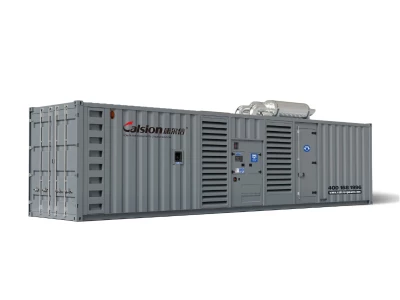
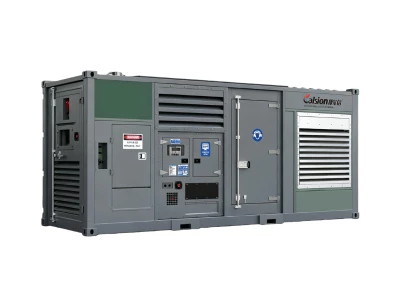
For containerized or enclosed generator sets, ventilation design becomes particularly important because the enclosure must provide sufficient airflow while controlling noise and maintaining weather protection.
7. How Should the Fuel System and Runtime Be Designed?
Fuel-system design should be based on generator power, expected operating hours and site conditions.
Key parameters include:
- Fuel tank capacity
- Expected fuel consumption
- Required autonomy
- Fuel supply method
- External fuel tank requirements
- Fuel piping configuration
For an emergency backup generator, the customer may require enough stored fuel to support several hours of operation. For remote projects such as mines or construction sites, longer fuel autonomy may be required.
The fuel system should therefore be designed together with the generator rather than treated as an independent accessory.
8. What Control and Automatic Transfer Functions Are Needed?
Modern diesel generator solutions often require more than manual start and stop functions.
Depending on the application, the control system may include:
- Automatic start/stop
- Automatic Transfer Switch (ATS)
- Remote monitoring
- Alarm and protection functions
- Emergency shutdown
- Load management
- Parallel operation
- Synchronization with the utility grid
For critical facilities, the generator may also need communication capabilities so that operators can monitor parameters such as voltage, frequency, engine temperature, oil pressure and running hours remotely.
9. How Should the Generator Be Customized for the Actual Project?
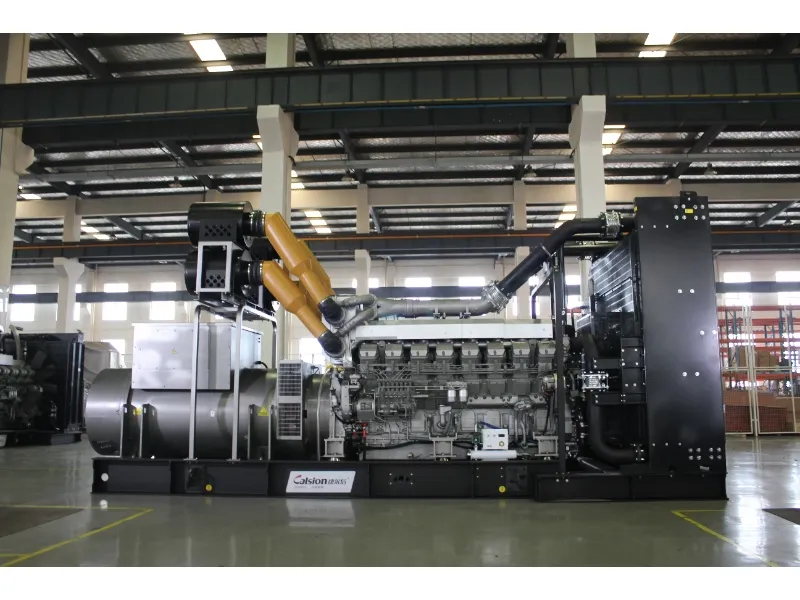
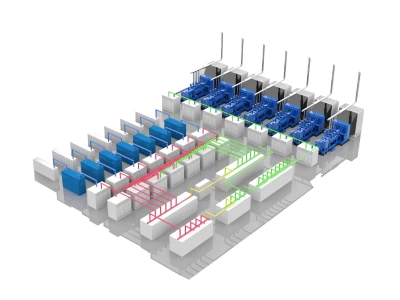
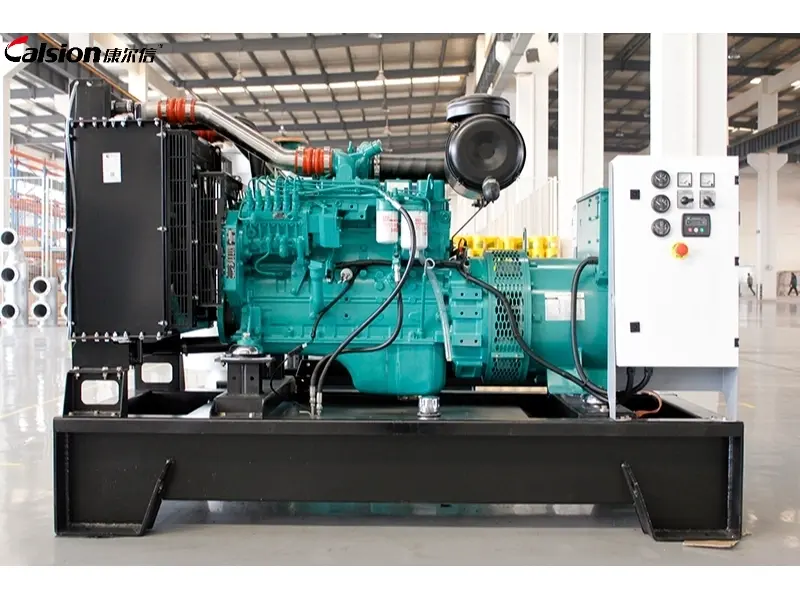
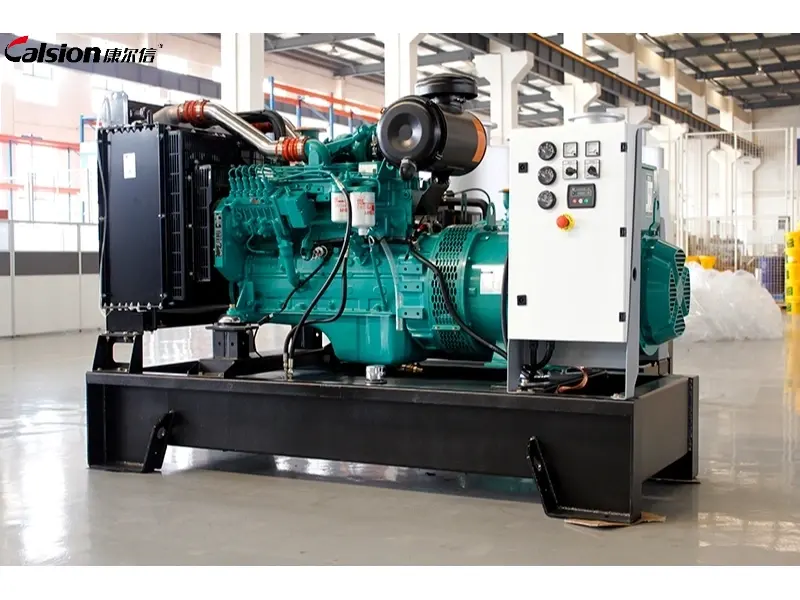
A successful customized diesel generator solution should integrate the engine, alternator, controller, cooling system, fuel system, exhaust system and electrical distribution requirements into one complete design.
A practical specification checklist can include:
| Parameter | Key Consideration |
| Power | kW / kVA and future load |
| Voltage | Required output voltage |
| Frequency | 50 Hz or 60 Hz |
| Phase | Single-phase or three-phase |
| Duty | Standby / Prime / Continuous |
| Load | Resistive / Motor / Nonlinear |
| Environment | Altitude and ambient temperature |
| Cooling | Radiator / Remote cooling / Ventilation |
| Fuel | Tank capacity and runtime |
| Control | AMF / ATS / Remote Monitoring |
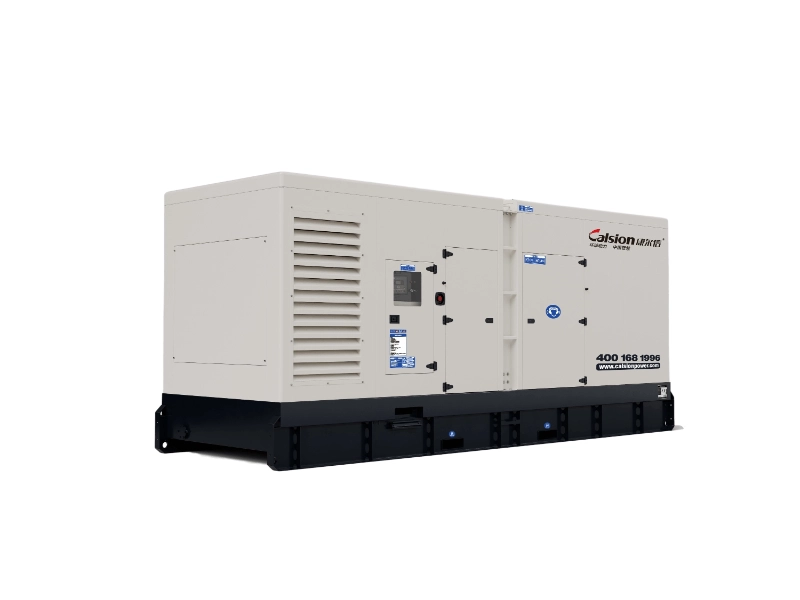
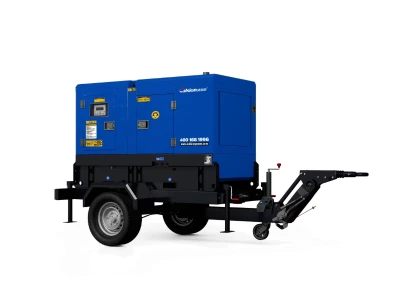
| Installation | Open type / Silent / Containerized |
A reliable, customized diesel generator solution requires the holistic integration of power requirements, load characteristics, voltage and frequency, operating modes, environmental conditions, fuel and cooling systems, and control functions, rather than focusing on isolated parameters. Only by thoroughly understanding the project’s actual power needs and installation environment can an optimal generator configuration be determined—one that balances operational stability, energy efficiency, and long-term maintenance costs.
Calsion offers customized diesel generator solutions tailored to diverse customer applications, with support covering generator configuration and system-level integration according to project requirements. Based on factors such as power requirements, load types, operating environments, and the need for standby or prime power, Calsion comprehensively configures components—including diesel engines, alternators, control systems, ATS units, sound-attenuated enclosures, and cooling and fuel systems—to deliver power solutions precisely aligned with project specifications. Whether for industrial, commercial, data center, or other applications requiring a stable power supply, Calsion is dedicated to providing customers with diesel generator systems that are reliable, efficient, and perfectly suited to on-site operating conditions.