

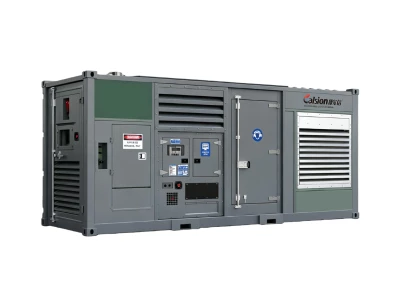
Custom Diesel Generator Sets for Backup Power: How to Specify the Right System
Release time: 2026-10-10
Selecting a custom diesel generator set for backup power requires careful consideration of electrical loads, operating conditions, transfer systems, and reliability requirements. An appropriately configured system helps protect critical operations during utility outages while avoiding unnecessary equipment costs. For industrial facilities, commercial buildings, and data centers, understanding these technical factors is essential to specifying a backup power solution that meets actual project requirements.
Table of Contents
How Do You Calculate the Required Generator Capacity?
The first step is to identify the electrical loads that must remain operational during a power outage. These may include pumps, motors, HVAC systems, lighting, control systems, servers, and other essential equipment.
Calculate the total running load and identify the largest motor loads, particularly those that start simultaneously or require high inrush current. Motor starting can temporarily increase power demand and cause voltage dips if the generator is not properly sized.
Generator capacity is commonly expressed in kilowatts (kW) and kilovolt-amperes (kVA). The relationship is:
kW = kVA × Power Factor
For example, a generator rated at 1000 kVA with a power factor of 0.8 provides 800 kW of active power under its specified rating conditions.
However, total running load alone is not sufficient for final selection. Engineers should also evaluate transient loads, load sequencing, power factor, harmonic distortion, and the required reserve capacity. Generator sizing software or a load analysis conducted by a qualified engineer can help verify the appropriate rating.
What Generator Rating Is Suitable for Backup Power?
Standby power ratings are intended for supplying electrical power during utility outages, subject to the manufacturer’s specified operating conditions and limitations.
When selecting a backup generator, buyers should distinguish between standby, prime, and continuous power ratings. These ratings are not interchangeable, and the appropriate rating depends on the intended duty cycle.
A standby generator may be suitable for facilities that normally rely on utility power and require emergency backup. However, applications with frequent or prolonged outages may require a more detailed assessment of operating hours, maintenance intervals, and the manufacturer’s permitted loading conditions.
Buyers should confirm the applicable rating standard, rated voltage, frequency, power factor, and ambient conditions before comparing generator specifications from different manufacturers.
How Should Starting Loads and Power Quality Be Evaluated?
Some electrical equipment requires significantly more power during startup than during normal operation. Large motors, compressors, pumps, and elevators can impose substantial transient loads on a backup generator.
To address these requirements, engineers should evaluate motor starting methods, starting current, acceleration time, voltage dip limits, and the sequence in which equipment will be energized.
For facilities with sensitive electronic equipment, voltage regulation and frequency stability are also important. The alternator, automatic voltage regulator (AVR), engine governor, and generator controller must work together to maintain acceptable electrical output under changing loads.
Where multiple large loads are involved, sequential starting or a load management system may reduce peak demand and help avoid unnecessary generator oversizing.
Which ATS and Control Functions Should Be Included?
An automatic transfer switch (ATS) monitors the utility supply and transfers the designated loads to the generator when the utility source fails, subject to the system’s configured operating logic.
When utility power returns and meets the required conditions, the system can transfer the load back to the utility and initiate the generator’s cooldown and shutdown sequence.
A customized backup power system should define the required transfer arrangement, including the number of transfer switches, supported load groups, electrical interlocking, and any applicable switching requirements.
The generator controller may also provide functions such as remote monitoring, operating status, alarms, protective shutdowns, and event logging. For industrial facilities and distributed sites, these functions can improve visibility into system performance and simplify maintenance planning.
ATS selection and integration should account for rated current, voltage, pole configuration, fault-current withstand requirements, and applicable electrical codes.
How Do Installation Conditions Affect Generator Configuration?
The installation environment directly influences generator configuration and performance.
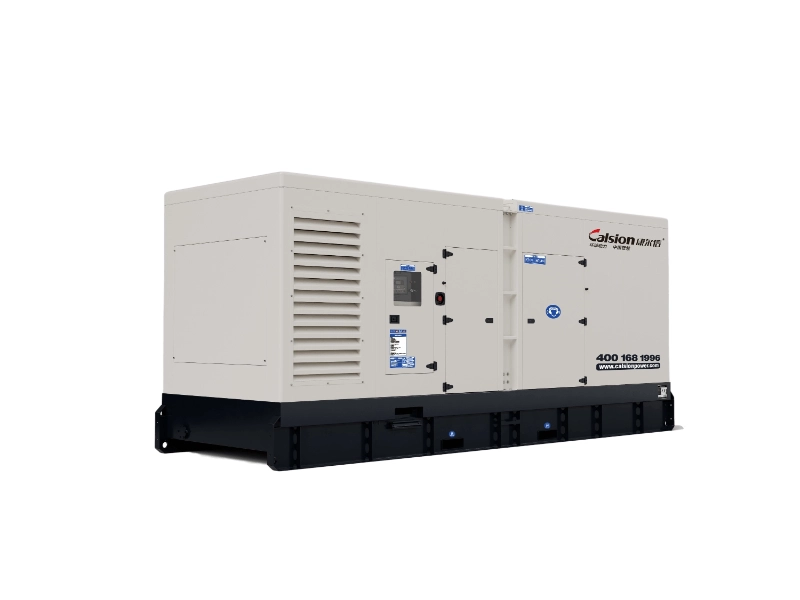
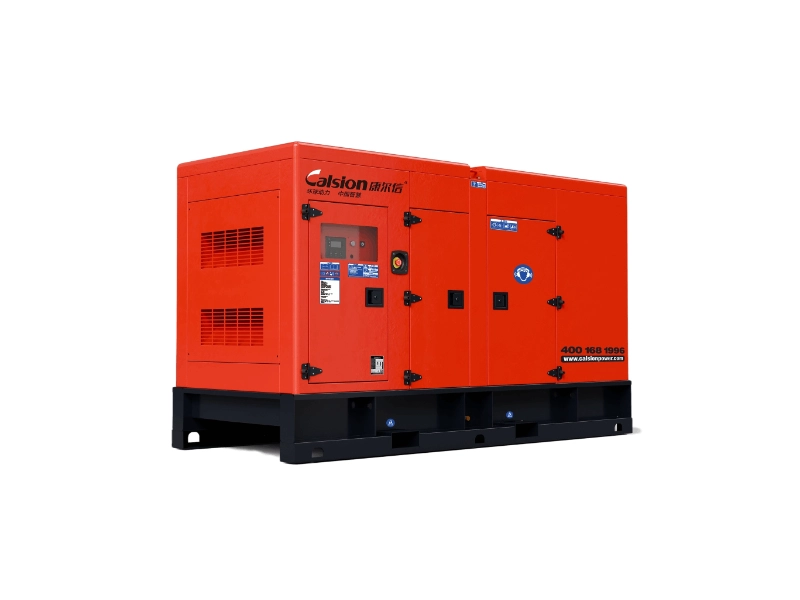
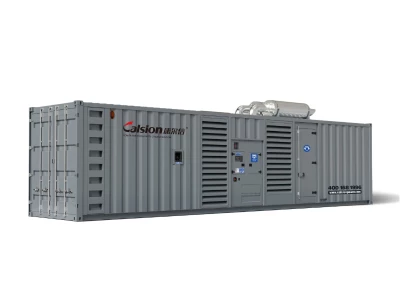
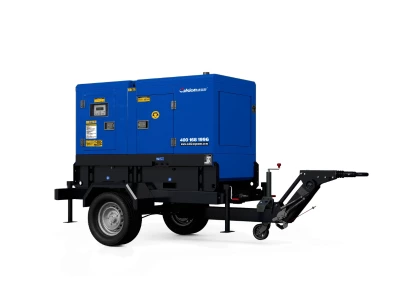
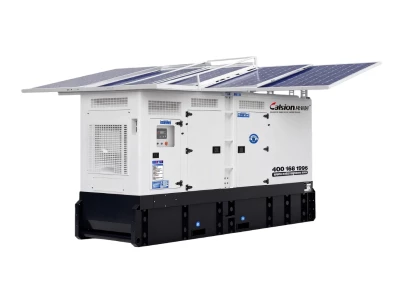
An indoor installation may require dedicated ventilation, combustion air supply, exhaust routing, and heat management. Outdoor installations may benefit from weatherproof enclosures or containerized configurations designed for the expected environmental conditions.
Buyers should also consider ambient temperature, altitude, humidity, dust exposure, corrosion risk, acoustic limits, available installation space, and access for maintenance.
Fuel tank capacity should be determined according to the expected load profile, required backup duration, fuel consumption data, and applicable storage regulations. Actual runtime depends on load level, usable fuel volume, engine performance, and operating conditions.
For installations with strict noise requirements, acoustic enclosures can be evaluated alongside ventilation capacity and heat dissipation to ensure that noise reduction does not compromise generator performance.
What Information Should You Provide When Ordering a Custom Diesel Generator?
To prepare an accurate quotation and technical configuration, buyers should provide the following information:
Electrical requirements: Rated capacity, voltage, frequency, phase, power factor, and applicable standards.
Load characteristics: Total running load, motor starting requirements, critical loads, and load sequencing.
Operating profile: Expected outage frequency, required backup duration, and anticipated annual operating hours.
Installation conditions: Indoor or outdoor location, ambient temperature, altitude, ventilation, and noise restrictions.
Control requirements: ATS integration, remote monitoring, alarms, and communication interfaces.
Compliance requirements: Applicable local regulations, emissions requirements, and project-specific certifications.
Providing these details allows the manufacturer to evaluate the engine, alternator, control system, cooling arrangement, enclosure, and fuel system as an integrated solution.
Choosing the right custom diesel generator set involves more than matching generator capacity to total power demand. Load characteristics, motor starting requirements, ATS integration, fuel capacity, and installation conditions must all be evaluated to ensure the system meets the facility’s backup power needs.
Calsion provides diesel generator solutions for industrial and commercial applications, helping buyers evaluate suitable configurations based on project requirements and operating conditions. By sharing your power demand, installation environment, and backup duration requirements, you can work with Calsion to identify a suitable generator solution for your application.